Tuesday, Wednesday, Thursday
7–9 AM · 11 AM–1 PM · 6–8 PM
Late night and early Sunday morning
Reels keep reaching people for days, so consistency matters more than the exact minute.
Quick reference: every platform
| Platform | Best days | Best times |
|---|---|---|
| Tuesday, Wednesday, Thursday | 7–9 AM, 11 AM–1 PM, 6–8 PM | |
| TikTok | Tuesday, Thursday, Friday | 9–11 AM, 2–4 PM, 7–9 PM |
| Monday, Tuesday, Wednesday | 8–10 AM, 12–2 PM | |
| Tuesday, Wednesday, Thursday | 7–9 AM, 12 PM, 5–6 PM | |
| X (Twitter) | Tuesday, Wednesday, Thursday | 8–10 AM, 12–1 PM |
| YouTube | Thursday, Friday, Saturday | 2–4 PM (ready for evening viewing) |
All times are in your audience's local time zone.
How to find your own best time
Published averages are a starting point, not a rule. Your followers have their own habits. Use the times above for three to four weeks, then compare reach and engagement by hour in each platform's built-in analytics and move toward what works.
- Post in your audience's time zone, not yours.
- Change one thing at a time — the hour, or the day — so you know what made the difference.
- Keep a steady rhythm. Consistency matters more than the perfect minute.
- Video (Reels, TikTok, Shorts) keeps getting views for days, so timing matters less than the hook.
Put this guide into practice
Use these steps alongside the advice above. The screenshots show an example Social Scheduler workspace, not results from your account.
- 01
Choose an audience time zone
Start with the time zone where most followers live. Treat published posting-time averages as hypotheses, not guarantees.
- 02
Plan a controlled test
Use comparable posts and change only the posting hour or day. Keep a record of format, topic and publication time.
- 03
Review your results
Compare reach and engagement in the platform’s own analytics over several weeks. Keep the slots that work for your audience.
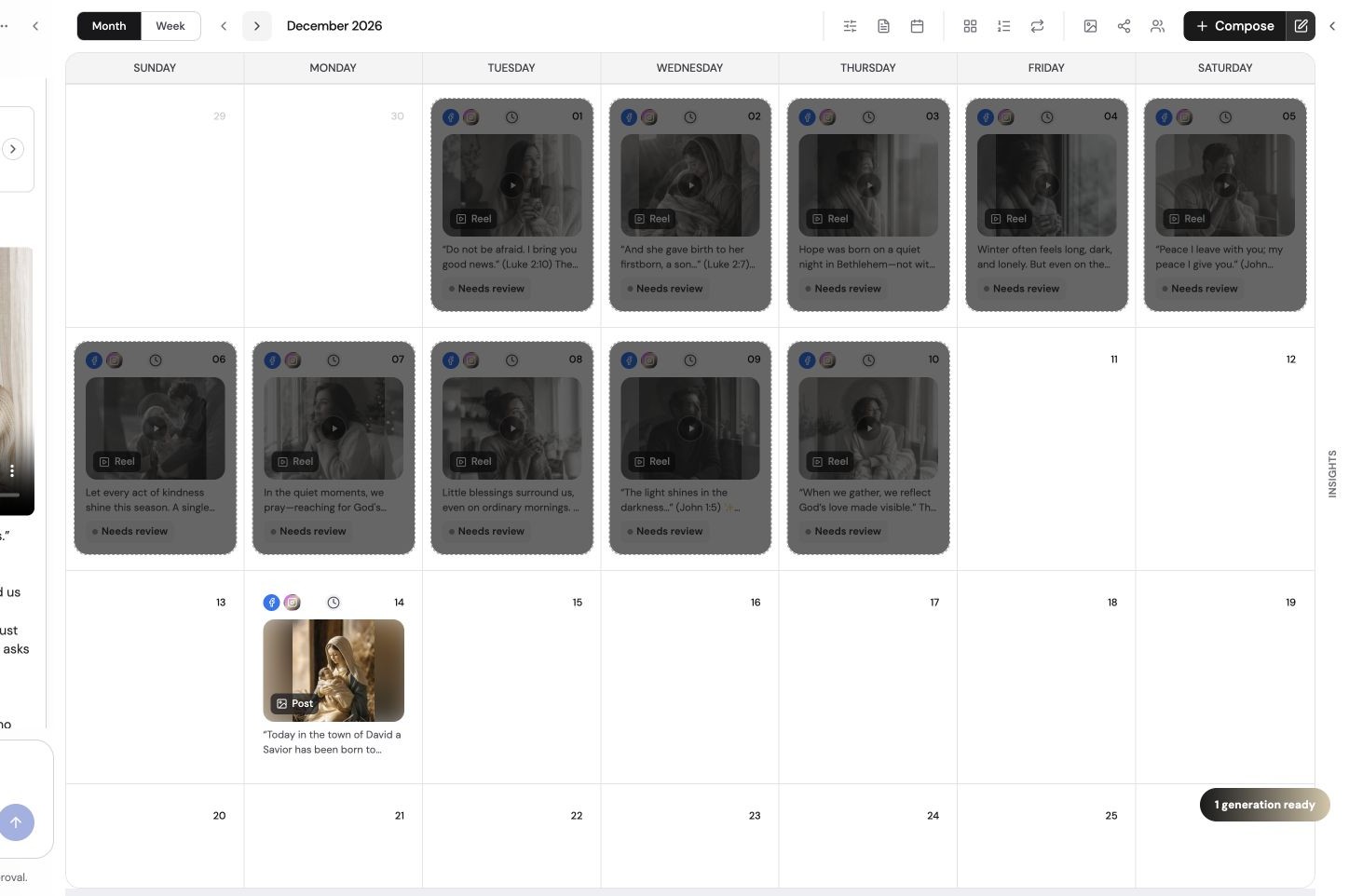
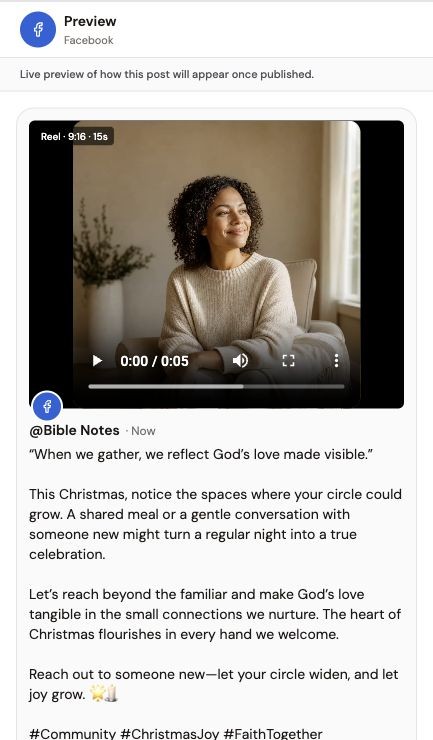
See the content workflow
A product overview of briefing, reviewing and scheduling content in The Social Scheduler.
Written walkthrough summary
The overview introduces The Social Scheduler’s brief-to-content process, followed by draft review and calendar planning. It is supporting product context, not a tutorial for every feature discussed in this article. Review facts and destination settings before publishing; AI usage is metered, not unlimited.
References and further reading
Published by The Social Scheduler. Product examples illustrate our own workflow. Check current vendor documentation for pricing, platform rules and feature availability. Links below are supporting references, not a claim that every statement in this article has been independently tested.
Frequently asked questions
What is the best day to post on Instagram?
For most brands, Tuesday through Thursday perform best, with mornings (7–9 AM) and lunchtime (11 AM–1 PM) in your audience's local time. Retail brands often do well on Fridays and Sundays too.
What is the best time to post on TikTok?
Mid-morning (9–11 AM), mid-afternoon (2–4 PM) and evenings (7–9 PM) are strong starting points. TikTok tests posts over several hours, so an evening upload can peak the next morning.
Should I use my time zone or my audience's?
Always your audience's. If most followers are in New York and you're in Los Angeles, a 9 AM post means 6 AM for you. A scheduler lets you set this once and forget it.
Are these times guaranteed to work for my account?
No. They're starting points drawn from published industry studies. Post at these times for 3–4 weeks, then check your own analytics and shift toward the hours your followers are actually online.
How often should I post?
Consistency beats volume. A sustainable rhythm — for example 3–5 Instagram posts a week or one LinkedIn post every weekday — outperforms bursts followed by silence.